Many homeowners wonder if catching and releasing a rat is a humane way to deal with infestations. While it may seem compassionate, relocation often creates new problems for both the rat and the environment. Rats are territorial, resourceful, and adapted to their home range, so releasing them nearby often results in them returning. Releasing them farther away introduces survival challenges that frequently end badly for the animal. Understanding relocation limits helps clarify why professional exclusion is the more effective long term solution.
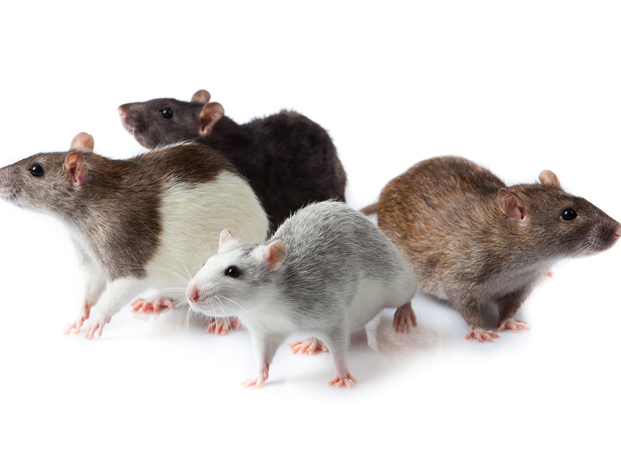
Experts suggest that relocating a rat at least two to five miles away reduces the chances of it returning. However, survival rates drop significantly at these distances, as the rat must find food, water, and shelter in unfamiliar territory already occupied by other rodents. Rats are intelligent but rely heavily on familiar routes and scent trails. Moving them far from home disrupts these survival mechanisms, leading to high mortality.
In many states, relocating rats is restricted or illegal because of the risk of spreading disease and disrupting ecosystems. Unlike native wildlife that may play a vital role in local ecology, commensal rats are invasive and destructive. Releasing them into parks, forests, or neighborhoods can introduce new infestations and pose risks to other wildlife and people. Because of these risks, humane removal methods focus on exclusion rather than relocation. Homeowners are encouraged to work with licensed wildlife control professionals to ensure safe, legal, and effective rat management.
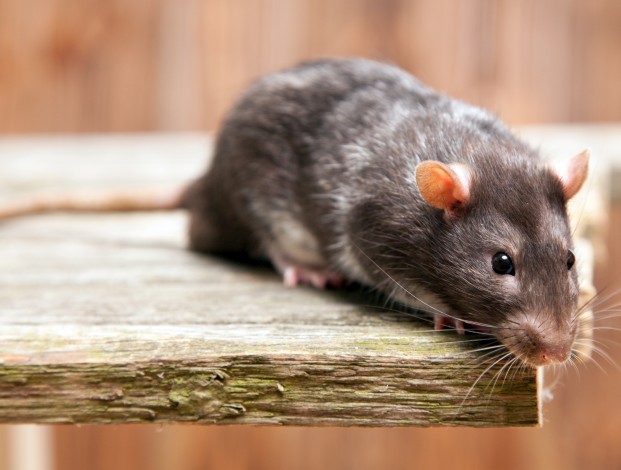
Rats are social animals that live in colonies. Removing one or two individuals does little to solve the larger infestation. Unless the nest, food sources, and entry points are addressed, others will quickly replace the relocated rats. This makes relocation an ineffective strategy for homeowners dealing with structural infestations.
Rather than focusing on how far to release a rat, the focus should be on why they are entering in the first place. Exclusion involves sealing gaps, securing food, and cleaning up nesting material. Professional services like Animal Remover specialize in safe, humane removal and prevention, ensuring rats do not return after being removed.
Releasing rats far away may sound humane, but it rarely helps the animal or the homeowner. Long term results come from prevention and exclusion, not relocation.

 Animal Remover Wildlife Management and Pest Control