After trapping a squirrel, many homeowners wonder how far away they should release it. The goal is to ensure the animal does not return while also complying with state wildlife laws. Relocating squirrels improperly can be harmful to both the animal and the ecosystem, so it is important to follow best practices and consider professional help.
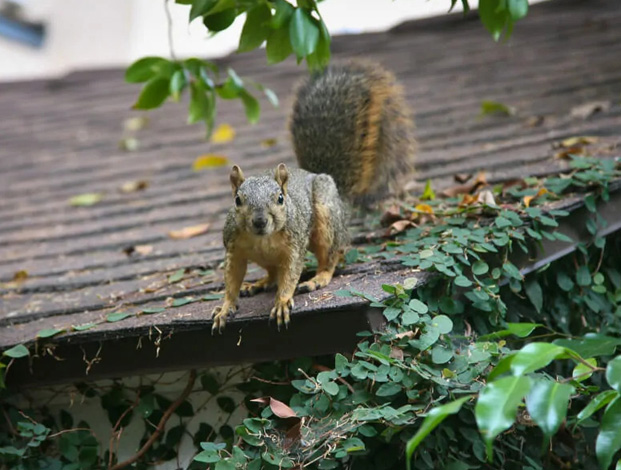
Recommended Relocation Distance
Experts generally recommend relocating squirrels at least five to ten miles away from where they were trapped. Anything closer increases the risk of the squirrel finding its way back, especially if it has established a strong territory. The release site should offer food, water, and shelter to improve the animal’s survival chances.
Legal and Ethical Considerations
Relocation laws vary by state, and some areas prohibit releasing wildlife altogether. Always check with local wildlife authorities before relocating an animal. Even when legal, relocation poses risks. Squirrels released in unfamiliar areas may face predators or competition, making their survival uncertain. This is why professional services are recommended—they follow regulations and ensure humane handling.
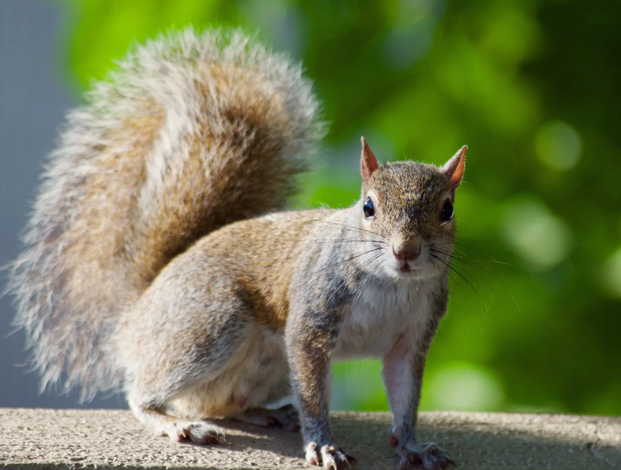
Challenges of DIY Relocation
Relocating squirrels without experience often results in repeated infestations. If you remove one squirrel but leave the entry points open, others may move in. Additionally, improper handling can lead to injury for the animal or the homeowner. For permanent results, relocation should be combined with exclusion techniques like sealing entry holes and installing one-way doors.
Professional Removal
Professional wildlife specialists use safe, humane traps and know where and how far to release squirrels legally. They also repair damage and provide exclusion services to prevent reentry. Animal Remover ensures both the safety of the animal and the protection of your property, making professional help the best long-term solution.

 Animal Remover Wildlife Management and Pest Control